
Staying within permit
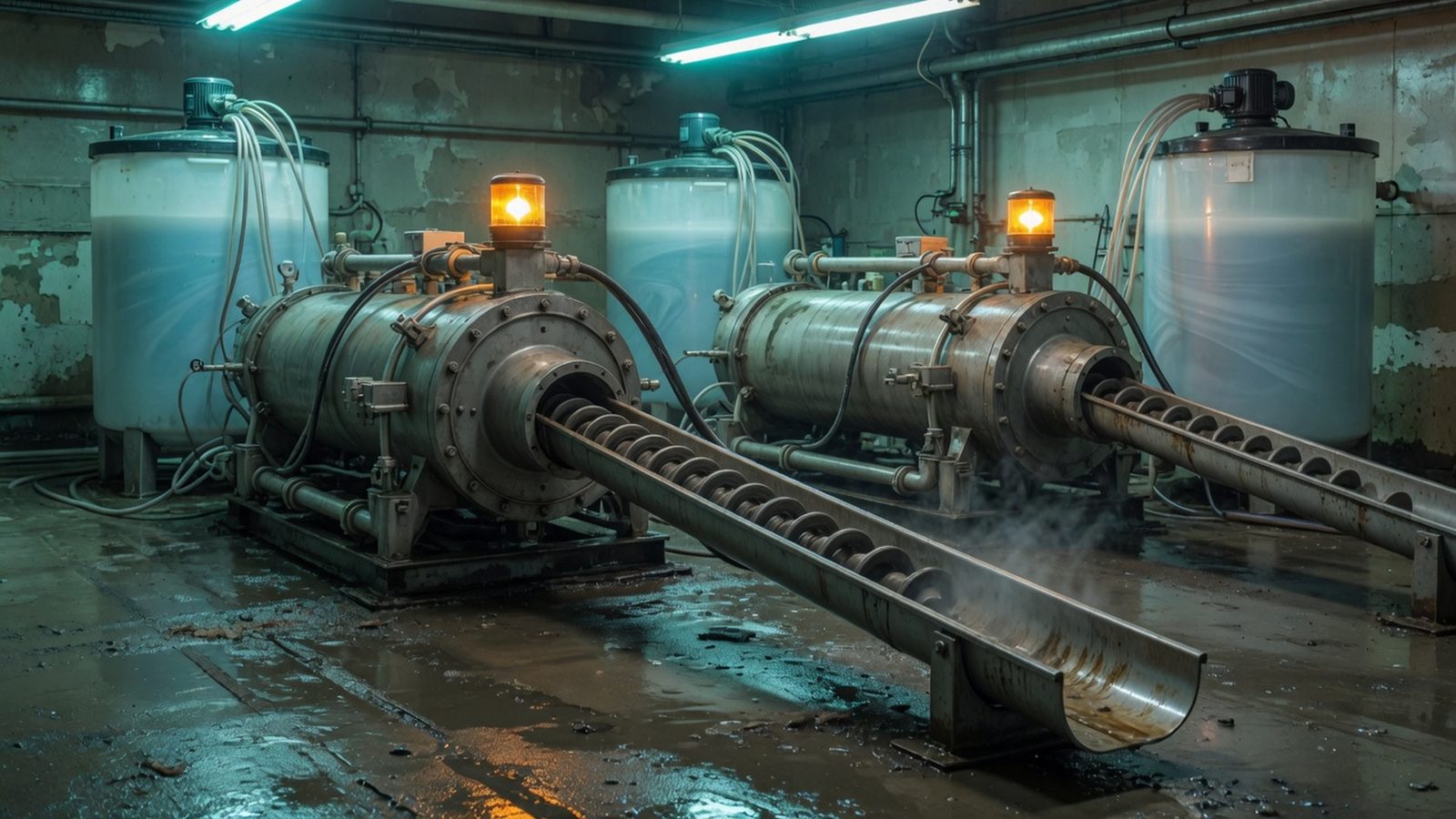
Final effluent has to meet permit limits every day, whatever arrives at the inlet, with monitoring and records that stand up to Environment Agency scrutiny.
Industry brief
Control systems that keep effluent within permit, whatever the weather.
What matters
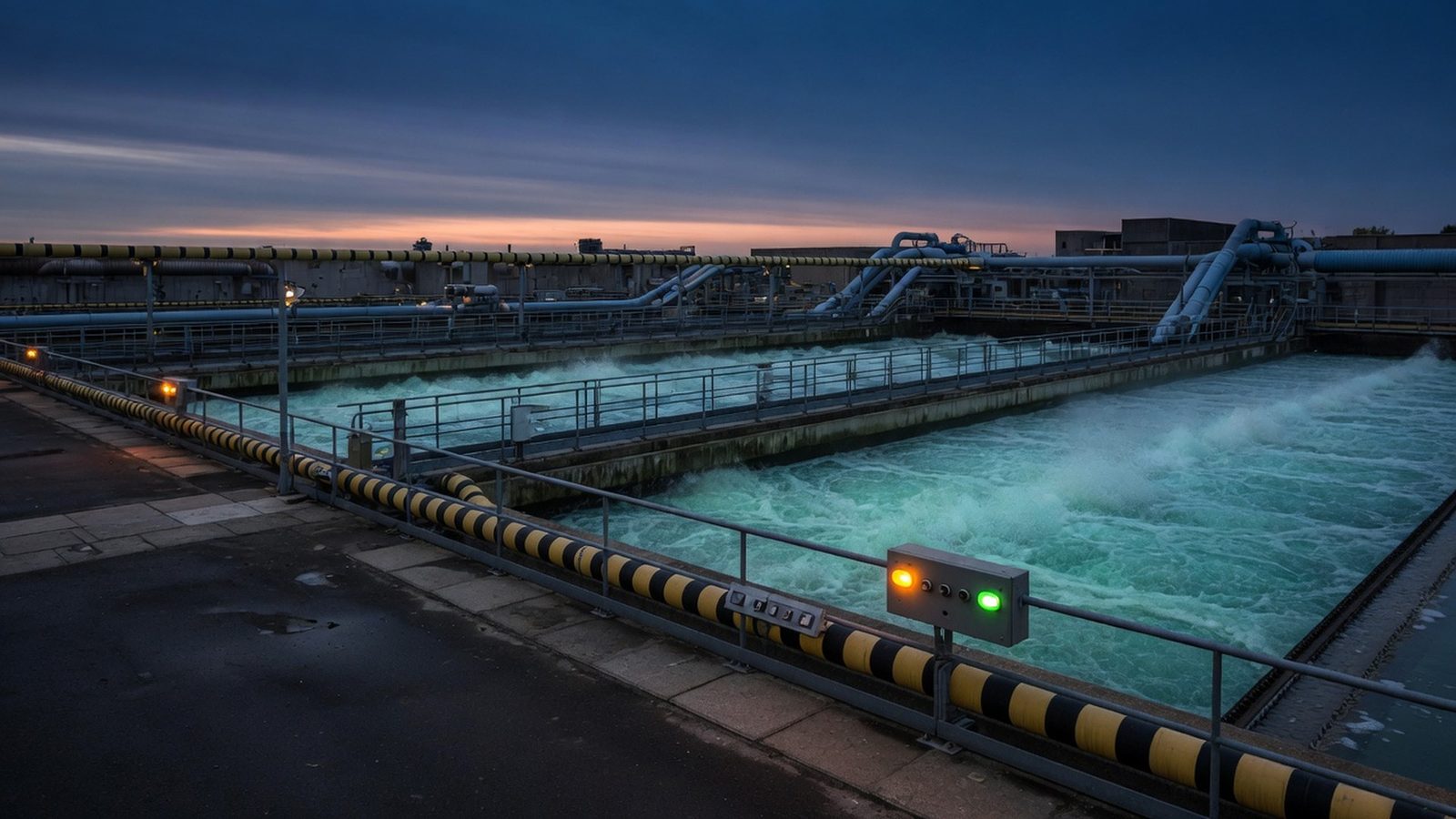
Wastewater works and sewer networks never stop receiving flow. They have to treat it to permit limits in dry weather and in storms, run pumping stations and storm tanks across a region, handle sludge and biogas safely, and show regulators and the public what was discharged, when and why.
Final effluent has to meet permit limits every day, whatever arrives at the inlet, with monitoring and records that stand up to Environment Agency scrutiny.
Pumping stations, storm tanks and overflow monitoring have to work together, keep spills to a minimum and report every event accurately to regulators and the public.
Aeration and pumping are the biggest energy users on a works, while digestion turns sludge into biogas. Good control cuts running costs and keeps gas areas safe.
Networks of unattended pumping stations and small works rely on dependable telemetry, clear alarms and secure remote access to keep running safely around the clock.
Solutions
A works cannot stop taking flow. We plan changes around it with phased cut-overs, temporary control where needed and agreed fall-back positions, and prove new logic against a simulation of the process before it touches the plant. You get the design, code and method statements to run, maintain and report on the system yourselves.
How we help
Standards-led, fully documented control systems that you own and can support.
New panels and SCADA, same operation
In Upgrades UpgradesObsolete PLCs to current platforms
In Upgrades Virtual CommissioningProve changes before download
In Virtual Commissioning Virtual CommissioningEquipment and process that respond
In Virtual Commissioning Code DevelopmentExisting code analysed, documented and modified
In Code Development Code DevelopmentTo your coding standard and block library
In Code DevelopmentStandards
The standards listed are those most often relevant to control-system work in this sector. Which apply to your project, and how, is agreed with you at specification stage.
| Standard | What it covers | How we work with it |
|---|---|---|
| Urban Waste Water Treatment Regulations 1994 | Collection and treatment of urban waste water in England and Wales, and the treatment standards works must achieve. | Process control and monitoring designed around the treatment levels and sampling your works must meet. |
| Environmental Permitting Regulations 2016 | Permits for water discharge activities in England and Wales, including final effluent and storm overflow conditions. | Control, alarms and data capture that help you stay within permit conditions and report against them. |
| MCERTS | The Environment Agency's Monitoring Certification Scheme, including its requirements for self-monitoring of effluent flow. | Flow measurement, logging and data handling designed to fit the MCERTS arrangements at your site. |
| WIMES | Water Industry Mechanical and Electrical Specifications, used across UK water companies. | We work to the WIMES documents and company appendices your project calls up. |
| DSEAR 2002 | Fire and explosion risks from dangerous substances, including biogas in digestion and gas handling areas. | Your hazardous area classification drives where panels sit and which ATEX equipment we specify. |
| IEC 62443 | Security of industrial automation and control systems across their lifecycle, for asset owners, integrators and suppliers. | Its zone-and-conduit model and security levels shape how we design control networks and remote access. |
Take it with you
Contact
Standards-led, fully documented control systems that you own and can support.