
Safe stopping and isolation
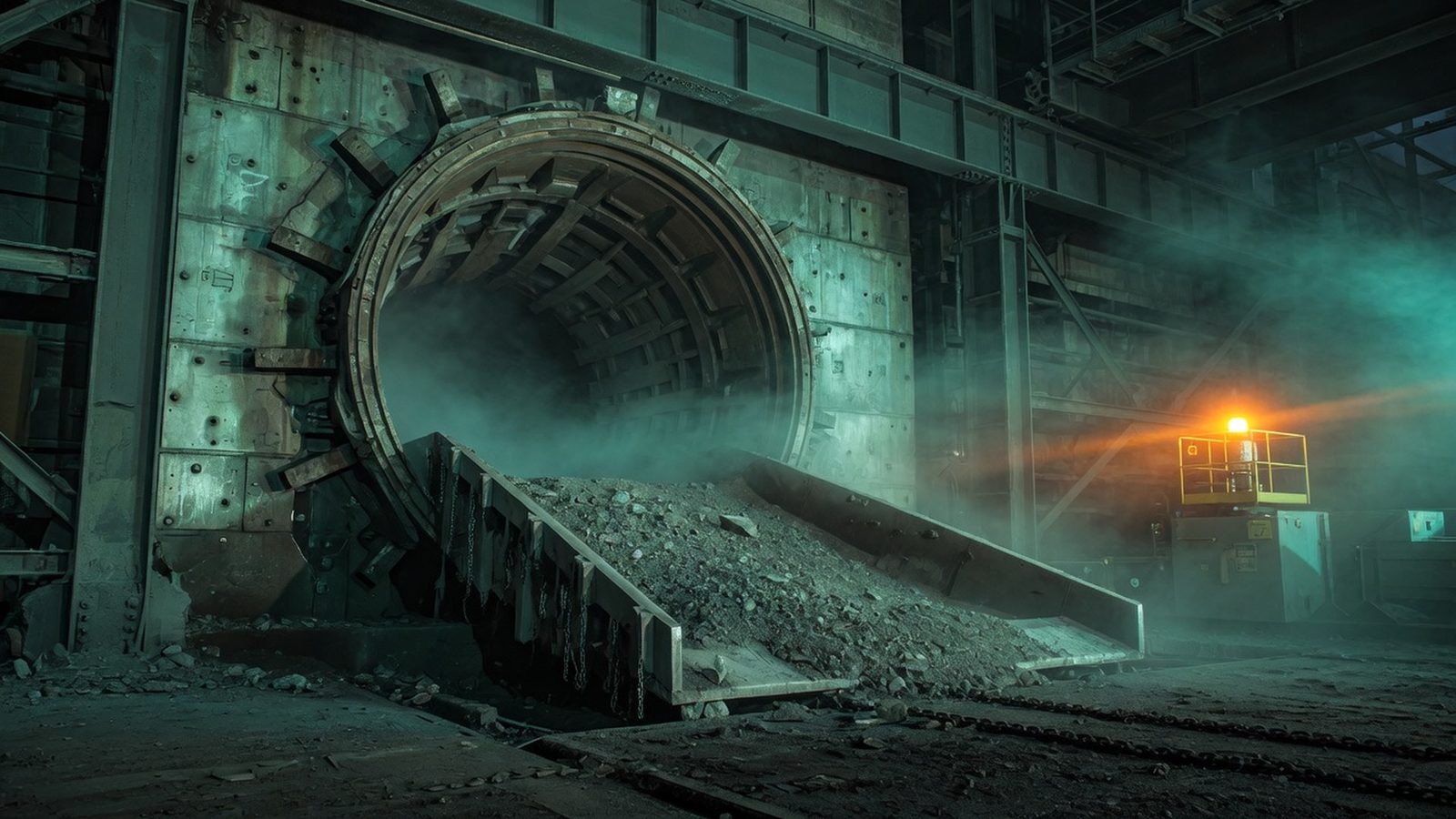
Emergency stops, pull-wire switches, guard interlocks and safe isolation have to work every time, and be designed, tested and recorded to the performance level your risk assessment demands.
Industry brief
Keeping people safe and material moving, shift after shift.
What matters
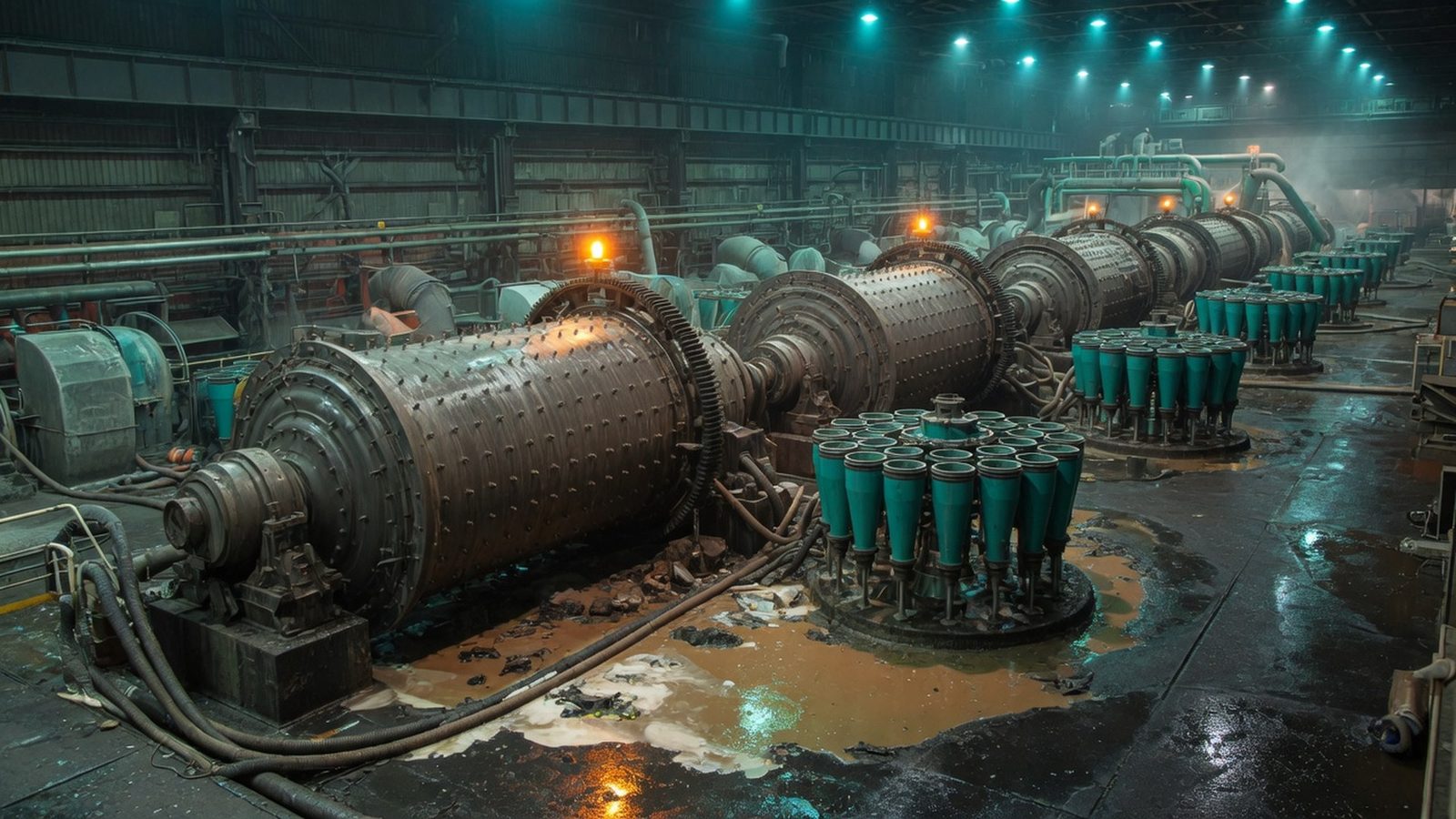
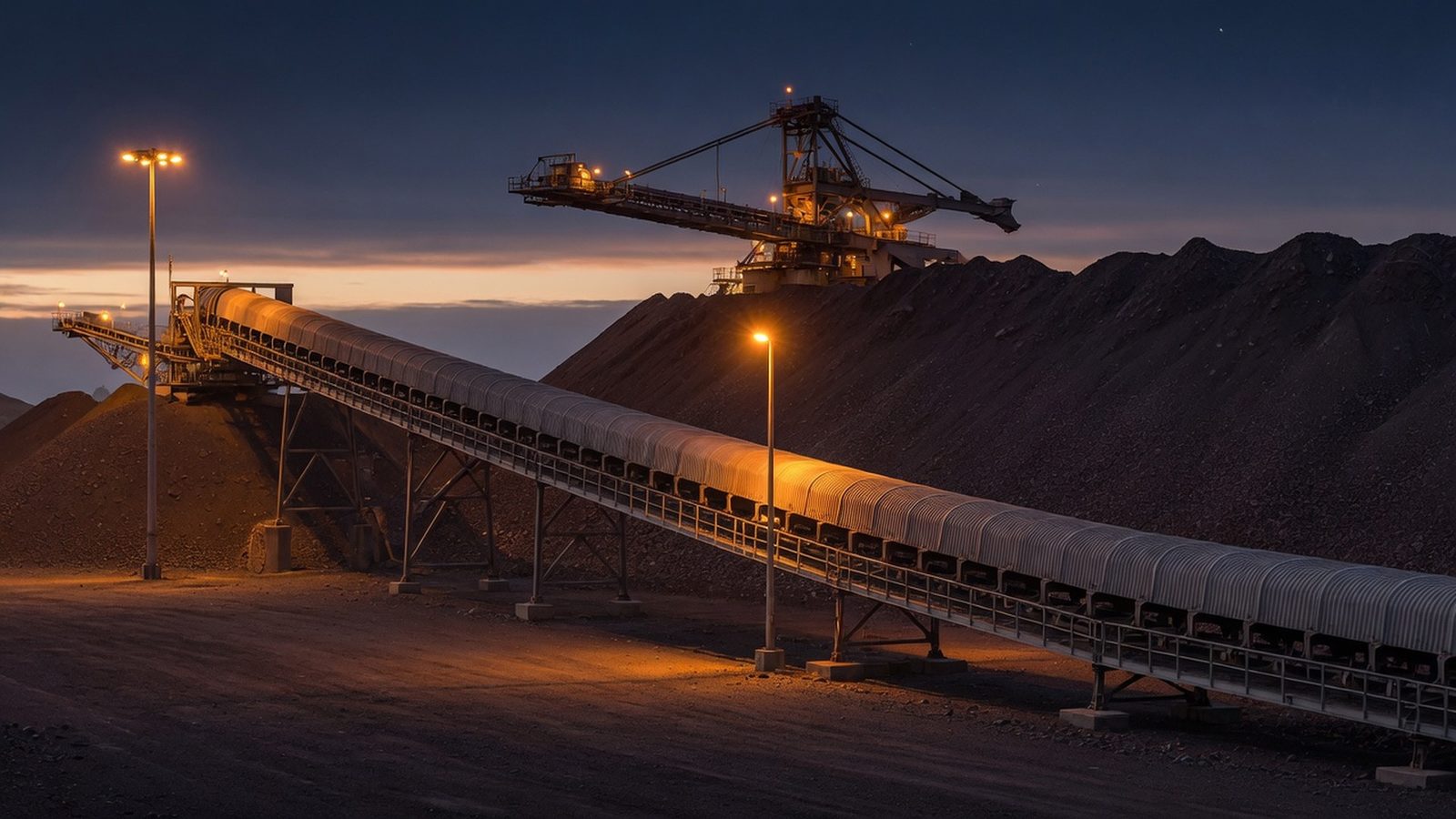
Quarries and mines run heavy plant in harsh, dusty and remote sites. Crushers, screens and conveyors must keep material moving while people work close to powerful machinery. Control systems have to stop plant safely, protect costly equipment and show inspectors that risks are well managed.
Emergency stops, pull-wire switches, guard interlocks and safe isolation have to work every time, and be designed, tested and recorded to the performance level your risk assessment demands.
An unplanned stop on a crusher or main conveyor can halt the whole site. Blockage, belt drift and overload detection, with clear alarms, help your team fix problems before they become breakdowns.
Where combustible dust, fuel vapour or, underground, flammable gas can form an explosive atmosphere, equipment and control design must match your hazardous area classification and DSEAR risk assessment.
Pits, processing plant and stockpiles are often spread out and lightly staffed. Managers need reliable remote monitoring, clear alarms and production data they can trust, wherever they are.
Solutions
Downtime on a quarry or mine costs production every hour. We plan changes around your shifts and shutdowns, prove new logic against a simulation of the plant before it reaches site, and test every safety function at commissioning. You get the design, code and documentation to run and maintain the system yourselves.
How we help
Standards-led, fully documented control systems that you own and can support.
Obsolete PLCs to current platforms
In Upgrades UpgradesEvery discipline, one control system
In Upgrades Virtual CommissioningEvery sequence and fault path tested
In Virtual Commissioning Virtual CommissioningProve changes before download
In Virtual Commissioning Code DevelopmentExisting code analysed, documented and modified
In Code Development Code DevelopmentTo the Matrix software standard
In Code DevelopmentStandards
The standards listed are those most often relevant to control-system work in this sector. Which apply to your project, and how, is agreed with you at specification stage.
| Standard | What it covers | How we work with it |
|---|---|---|
| Quarries Regulations 1999 | Health and safety duties for quarry operators in Great Britain, including plant and excavations. | Controls designed around your health and safety document, with safe stops and interlocks built in. |
| Mines Regulations 2014 | Health and safety duties for mine operators in Great Britain, including ventilation and explosion risks. | Ventilation, pumping and conveyor controls designed to support your safety management system. |
| DSEAR 2002 and IEC 60079 series | Explosive atmosphere risk assessment and zoning, and the protection concepts for equipment in hazardous areas. | Instruments, panels and wiring specified to suit your hazardous area classification. |
| BS EN 620 | Safety requirements for fixed belt conveyors that carry loose bulk materials. | Pull-wire emergency stops, start-up warnings and interlocks designed to its requirements. |
| BS EN ISO 13849-1 | Design of the safety-related parts of machine control systems, rated by performance level (PL). | Safety functions designed and verified to the performance level your risk assessment requires. |
| PUWER 1998 | Duties to keep work equipment safe and maintained, with effective start, stop and emergency stop controls. | Control and stop functions designed so that your plant can meet its PUWER duties. |
Take it with you
Contact
Standards-led, fully documented control systems that you own and can support.